Parking Suspensions and Van Permits in West Ham
Posted on 29/07/2026
If you are moving home, delivering furniture, or arranging a removal van in a tight London street, parking can turn into the part nobody talks about until it causes a headache. Parking Suspensions and Van Permits in West Ham are exactly the sort of details that can make a move feel calm and controlled, or messy and delayed by half an hour of circling the block. Truth be told, the van is rarely the hardest bit. It is the space beside the kerb that gets people.
This guide breaks down what parking suspensions and van permits are, why they matter in West Ham, how they normally work in practical terms, and the mistakes that catch people out. You will also find a step-by-step planning guide, a comparison of common options, and a checklist you can actually use on moving day.
For readers preparing a wider relocation, it can help to pair this with broader moving advice such as stress-free house transition planning, packing more efficiently, and Newham Council permits for removals explained. Parking is just one piece of the puzzle, but it is often the one that sets the pace for everything else.
Why Parking Suspensions and Van Permits in West Ham Matters
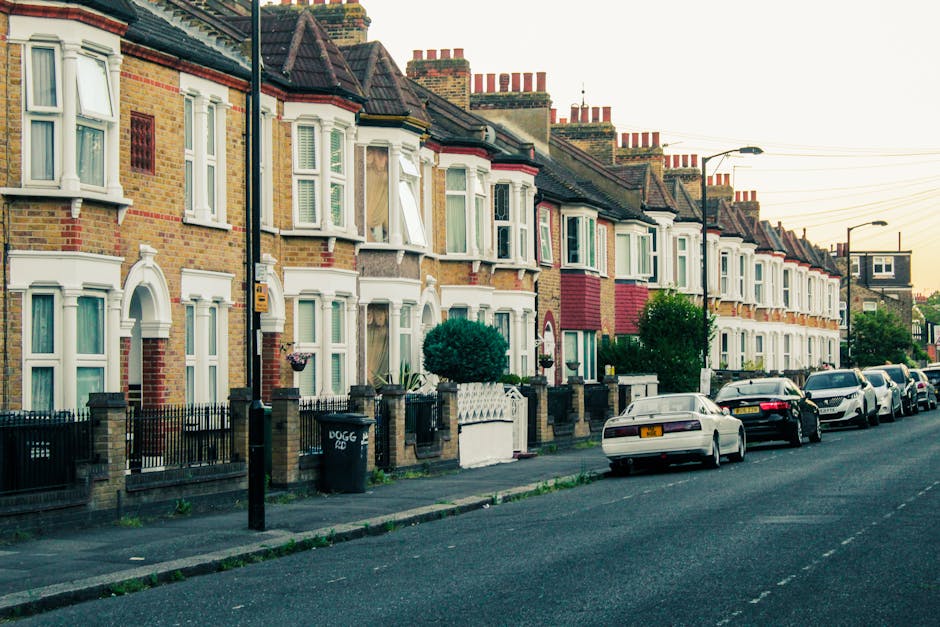
West Ham sits in that classic East London mix of busy streets, residential parking pressure, school run traffic, delivery vans, and the occasional double-parked car that seems to have taken root. In that environment, the difference between a smooth loading slot and a stressful scramble can be a parking bay suspension, a permit, or a clear plan for where the van is allowed to stop.
Why does this matter so much? Because moving day has a habit of compressing time. The boxes are down the stairs, the sofa is halfway out the door, and suddenly there is no legal space for the van. That is when delays start. A driver waiting for a space can affect porters, neighbours, and your timetable. In some cases, it can also create avoidable risk if heavy furniture has to be carried a longer distance than planned.
There is also a neighbourly side to it. Let's face it, nobody enjoys watching a removal van block a narrow street for longer than needed. A correctly planned permit or suspension helps keep access fair and orderly. It reduces friction with residents, avoids rushed loading, and gives the move a more professional feel from the start.
Expert summary: If your move involves a narrow road, controlled parking, a busy high street, or a timed collection, parking should be treated as part of the job plan, not an afterthought. In West Ham, that alone can save a surprising amount of stress.
How Parking Suspensions and Van Permits in West Ham Works
In plain English, a parking suspension temporarily removes normal parking rights from a specific bay or stretch of road so that it can be used for something else, such as removals, access, works, or special vehicle loading. A van permit, meanwhile, is generally used to authorise a vehicle or activity in a way that would otherwise not be allowed under normal restrictions. The exact wording and process depend on the situation, but the practical idea is simple: you arrange permission before the vehicle arrives.
In removal scenarios, the aim is usually to secure a sensible loading point close to the property. Sometimes that means a suspended bay. Sometimes it means relying on an existing permit arrangement, visitor parking, or a loading bay where permitted. And sometimes, to be fair, it means accepting that the van will be a short walk away and planning accordingly.
What trips people up is timing. These arrangements do not usually happen instantly. They need notice, the right details, and confirmation that the van size, date, location, and duration fit the intended use. If you leave it until the night before, you are basically handing the problem a head start.
What the process usually involves
- Check the street or parking situation at the property.
- Decide whether the van needs a bay, a loading area, or a temporary suspension.
- Gather vehicle details, move date, and exact location information.
- Allow enough lead time for the request to be reviewed and approved.
- Display any required confirmation properly on the day.
- Brief the driver and movers so everyone knows where to stop and how long loading should take.
If you are planning a move with a removal team, it can be worth reading more about how removal quotes are priced, because parking access can influence labour time and vehicle planning in ways that are easy to overlook.
Key Benefits and Practical Advantages
A good parking setup does more than avoid penalties. It changes the tempo of the whole move. You move faster, the van parks once instead of three times, and the lift distance from door to vehicle is shorter. That matters when you are carrying awkward items, wet weather is rolling in, or you have limited help on the day.
- Less wasted time: No endless circling for legal space.
- Safer carrying distances: Shorter routes reduce strain and the risk of damage.
- Better schedule control: Your team can work to a plan instead of improvising.
- Lower neighbour disruption: A proper arrangement is easier to explain and manage.
- Reduced chance of penalties: Fewer parking surprises means fewer costly mistakes.
There is also a quality-of-service benefit. A move that starts with organised parking tends to feel more polished. You notice it in the rhythm: quicker unloading, cleaner handovers, fewer stop-start moments on the pavement. It sounds small, but if you have ever done a move with a van parked too far away, you know the difference. Your shoulders know too.
For larger or more awkward items, the benefits multiply. A piano, a heavy wardrobe, or a bulky sofa becomes much easier to move if the vehicle is placed with care. That is why parking and access planning often sit alongside specialist moving topics such as piano moving expertise and bed and mattress moving tips.
Who This Is For and When It Makes Sense
Parking suspensions and van permits are not only for big house moves. They are useful any time a vehicle needs dependable access near a property in West Ham. That could be a student flat move, an office relocation, a flat clearance, a single-item delivery, or a same-day move when the timing is tight.
They make particular sense when:
- the road is narrow or heavily parked;
- the property is on a main route or near a busy junction;
- you need loading access close to the front door;
- there are time restrictions on parking or loading;
- your move includes large or fragile items;
- you are moving in a period of heavy local traffic or event disruption.
A student moving out of a top-floor flat on a weekday morning will have a very different parking need from someone shifting a few boxes from a ground-floor studio. Same area, very different requirements. That is why a one-size-fits-all approach rarely works.
If you are moving a smaller load, a vehicle with better access can still be essential. Pages like Man with a Van West Ham and Man and Van West Ham are often relevant when the move is modest but the access is not. For larger household moves, the planning should sit alongside house removals in West Ham or flat removals in West Ham.
Step-by-Step Guidance
If you want to get parking sorted without drama, work through it in order. Small detail, but important. The biggest mistake people make is asking, "Will it probably be fine?" Parking on a moving day should not be a guess.
1. Inspect the street first
Look at where the van would realistically stop. Check for bay markings, yellow lines, loading-only areas, narrow pinch points, school entrances, and any obvious obstructions. If you are able to visit the property at the same time of day as the move, even better. Morning and evening can feel like different streets entirely.
2. Identify the vehicle type and access needs
Not every van needs the same space. A compact removal van and a long-wheelbase vehicle behave differently on the street. Consider how much loading space the team will need, whether a tail lift will be used, and whether there are any low branches, tight corners, or awkward bends. This is where local knowledge matters.
3. Decide whether you need a suspension, permit, or another arrangement
Sometimes a parking suspension is the cleanest answer. Other times, a permit, a loading bay, or an adjusted schedule is more practical. The best choice usually depends on how busy the road is, how long the van needs to stay, and how close the vehicle must be to the property.
4. Build in lead time
Do not leave it to the final 24 hours. Give yourself breathing room so any issue can be fixed before moving day. Even if the move is straightforward, the parking side often benefits from a little extra padding. In our experience, that buffer is what separates a smooth start from a frantic phone call.
5. Brief everyone involved
The driver, the movers, and the person leaving the property should all know the plan. Which side of the road? Which bay? How long? Where should the van stand if the space is occupied? Simple instructions, but they save a lot of back-and-forth.
6. Keep proof and paperwork handy
On the day, make sure any confirmation, reference number, or display instructions are easy to access. Nobody wants to be rummaging through a kitchen drawer while a van is blocking the road and everyone is waiting. Not ideal, frankly.
Expert Tips for Better Results
Parking arrangements become much easier when you think like a mover, not just a resident. A few practical habits make a real difference.
- Pick the smallest workable vehicle: If access is tight, do not automatically assume a larger van is better. Size can become a problem fast.
- Match the booking to the load: Overestimating the space needed can be just as awkward as underestimating it.
- Think about weather: Rain turns long carries into slippery, stressful work. A shorter loading distance matters more than people think.
- Plan for stairs and carrying angles: A straight route is not always available, so factor in turning space around doors and stairwells.
- Use clear labels and room-by-room loading: Faster loading means the van spends less time parked, which is always helpful.
For bulky furniture, useful context comes from furniture removals in West Ham, while difficult access is often easier to manage after reading how staircase and narrow-access moves are handled. If you are moving a sofa, it also helps to think ahead about wrapping and transport, which is where sofa protection and storage advice can come in handy.
A small human tip, if you want one: do not assume the nearest space is the best space. Sometimes the better bay is 15 metres further away but gives the van room to park without awkward reversing. That one detail can save a whole lot of fiddling.
Common Mistakes to Avoid
Most parking problems are predictable. That is the annoying bit. The good news is they are also preventable.
- Leaving it too late: Requests made too close to the move are where stress begins.
- Guessing the street will be free: In West Ham, that is a gamble, not a plan.
- Forgetting the size of the vehicle: A bay may exist, but not necessarily one that works for your van length.
- Not checking local restrictions: Yellow lines, resident bays, and short-stay rules are easy to miss in a rush.
- Ignoring loading time: "It will only take five minutes" has ended many a moving day early.
- Failing to brief the driver: If the driver is guessing, the vehicle may end up in the wrong place at the wrong time.
Another common issue is assuming parking is separate from disposal and logistics. It is not. If you are clearing items and need waste handled too, read up on West Ham skip rules and disposal alternatives so one part of the move does not create another problem.
And then there is the classic last-minute panic: the van arrives, the street is full, and everyone starts saying "we'll sort it." Maybe. Maybe not. Better to sort it earlier.
Tools, Resources and Recommendations
You do not need fancy equipment to plan parking well, but a few tools and habits make it easier.
- A street view or site walk-through: Useful for checking access, corners, and bay spacing.
- A simple move schedule: Note arrival time, loading order, and any parking restrictions.
- Vehicle measurements: Van length and height matter more than many people expect.
- Room labels and box markers: Faster loading keeps the parking plan efficient.
- Weather check: A wet move often needs a closer parking point than a dry one.
For people handling a move end to end, wider preparation helps too. Decluttering before you relocate makes the load smaller, while pre-move cleaning strategies make the handover feel more orderly. If the move will involve boxes and packing materials, packing and boxes in West Ham can also support a smoother loading process.
For temporary storage between properties, parking planning may be less intense on moving day, but access still matters. The van still needs to stop somewhere sensible, and that is where storage in West Ham can fit into a staged move. If you are moving student belongings, the same logic applies, just with fewer boxes and usually more time pressure than expected.
Law, Compliance, Standards, or Best Practice
Parking suspensions and van permits sit within the wider framework of local parking control and road use. The exact rules, approval process, and display requirements can vary depending on the street, the date, and the nature of the request. Because of that, the safest approach is to treat the arrangement as a compliance task, not merely an admin task.
In practical terms, best practice usually means three things. First, use the correct request type for the job. Second, provide accurate vehicle and location details. Third, make sure the van does exactly what the authorisation expects it to do. A mismatch between the paperwork and the vehicle on the day can create avoidable trouble.
There is also a general duty of care to think about neighbours, pedestrians, and road safety. A parked van should not block access unnecessarily or create unsafe loading conditions. If a vehicle will be stationary for a while, make sure the team knows what to do if the space becomes unavailable or if another road user questions the arrangement. Calm communication goes a long way.
For movers, a broader trust signal comes from working with companies that take safety and compliance seriously across the board. Pages such as health and safety policy, insurance and safety, and terms and conditions help show that parking is only one part of a responsible moving service.
Options, Methods, or Comparison Table
Not every move needs the same parking approach. Here is a simple comparison to help you think it through.
| Option | Best for | Strengths | Limitations |
|---|---|---|---|
| Parking suspension | Busy streets, protected loading space, longer van presence | Clear access, less uncertainty, better loading control | Needs lead time and correct planning |
| Van permit or authorised loading arrangement | Moves that fit an existing parking or loading setup | Flexible, can be simpler for smaller jobs | May not suit every street or vehicle size |
| Pay-and-display or standard legal parking | Short stops and lighter loads | Simple when space is available | Not reliable in busy parts of West Ham |
| Distant parking with manual carry | Low-pressure moves or places with no close access | Can work without formal permissions | More labour, more time, more strain |
In simple terms, the closer and more certain the access, the smoother the move. But there is a trade-off. The more formal the arrangement, the more planning you need in advance. So the best option is usually the one that balances certainty with practicality.
If you are deciding between different moving approaches, it may also help to compare broader service types such as removal van service in West Ham, removal services in West Ham, and removal companies in West Ham. Parking strategy often depends on the sort of support you choose.
Case Study or Real-World Example
A typical West Ham move might look like this. A couple is leaving a first-floor flat near a busy residential road on a Friday morning. The stairwell is narrow, the sofa is awkward, and the van cannot simply sit anywhere because the street is already busy with resident parking.
At first, they assume the van can wait outside the building while they finish packing. By the time the movers arrive, two cars have filled the nearest spaces, a delivery van has stopped opposite, and the nearest legal parking is farther down the road than expected. That sounds minor, but it pushes the carry distance up, slows the move, and makes the sofa move more difficult than it needed to be.
In the better version of the same move, access is checked a day or two in advance, the van position is planned early, and the loading route is agreed before anyone lifts a thing. The movers arrive, park once, and get to work. No drama. No mad dash. Just a steady rhythm of boxes, wraps, and careful carrying. The whole thing feels less like crisis management and more like, well, a professional move.
For street-specific planning around busy local areas, articles like moving near West Ham Park and navigating Green Street crowds are useful because they show how local traffic patterns can shape a move more than people expect.
Practical Checklist
Use this checklist before moving day. It is the kind of thing you may think you do not need, until you absolutely do.
- Confirm the exact move date and arrival window.
- Check whether the street needs a parking suspension or another access arrangement.
- Measure the van or confirm the vehicle type.
- Review bay markings, yellow lines, and loading restrictions.
- Plan where the van will stop and how long it will stay.
- Make sure confirmation details are stored somewhere easy to find.
- Tell neighbours or household members if the vehicle may occupy part of the street briefly.
- Label boxes so loading can be fast and logical.
- Keep fragile or awkward items near the exit for easier loading.
- Have a fallback plan if the first parking spot is unavailable.
If the move involves several stages, including packing, storage, or short-notice timing, it can help to read about same-day removals in West Ham and last-minute moves in West Ham. Those situations leave less room for parking guesswork, so a checklist becomes even more valuable.
Get a free quote today and see how much you can save.
Conclusion
Parking Suspensions and Van Permits in West Ham may sound like a technical detail, but in real life they are one of the quiet difference-makers in a successful move. They shape timing, safety, access, neighbour relations, and how hard the team has to work on the day. Get them right, and the move tends to feel lighter. Get them wrong, and everything gets a bit clumsy, a bit slower, and a lot more annoying.
The best approach is simple: assess the street early, match the parking plan to the load, allow proper lead time, and keep communication clear. That is the unglamorous truth, but it works. And if you are also sorting packing, access, furniture, or storage, the rest of the move becomes much easier to manage.
In moving, as in life, a bit of planning saves a lot of carrying.
![A street scene in West Ham featuring a prominent cylindrical public notice board with a domed top and the words 'EAST HAM' displayed at the crown, situated on a paved sidewalk. Surrounding the notice board are black bollards, pedestrians, and street furniture such as benches and streetlights. In the background, there are residential buildings with brick facades, commercial shops including a nail salon, and trees with green foliage. The sky is mostly clear with a few clouds. The setting suggests an urban environment where house removals and furniture transport by [COMPANY_NAME], such as loading and moving household items, may take place nearby, supported by the infrastructure visible in the scene.](/pub/blogphoto/parking-suspensions-and-van-permits-in-west-ham3.jpg)